Understanding Your Water
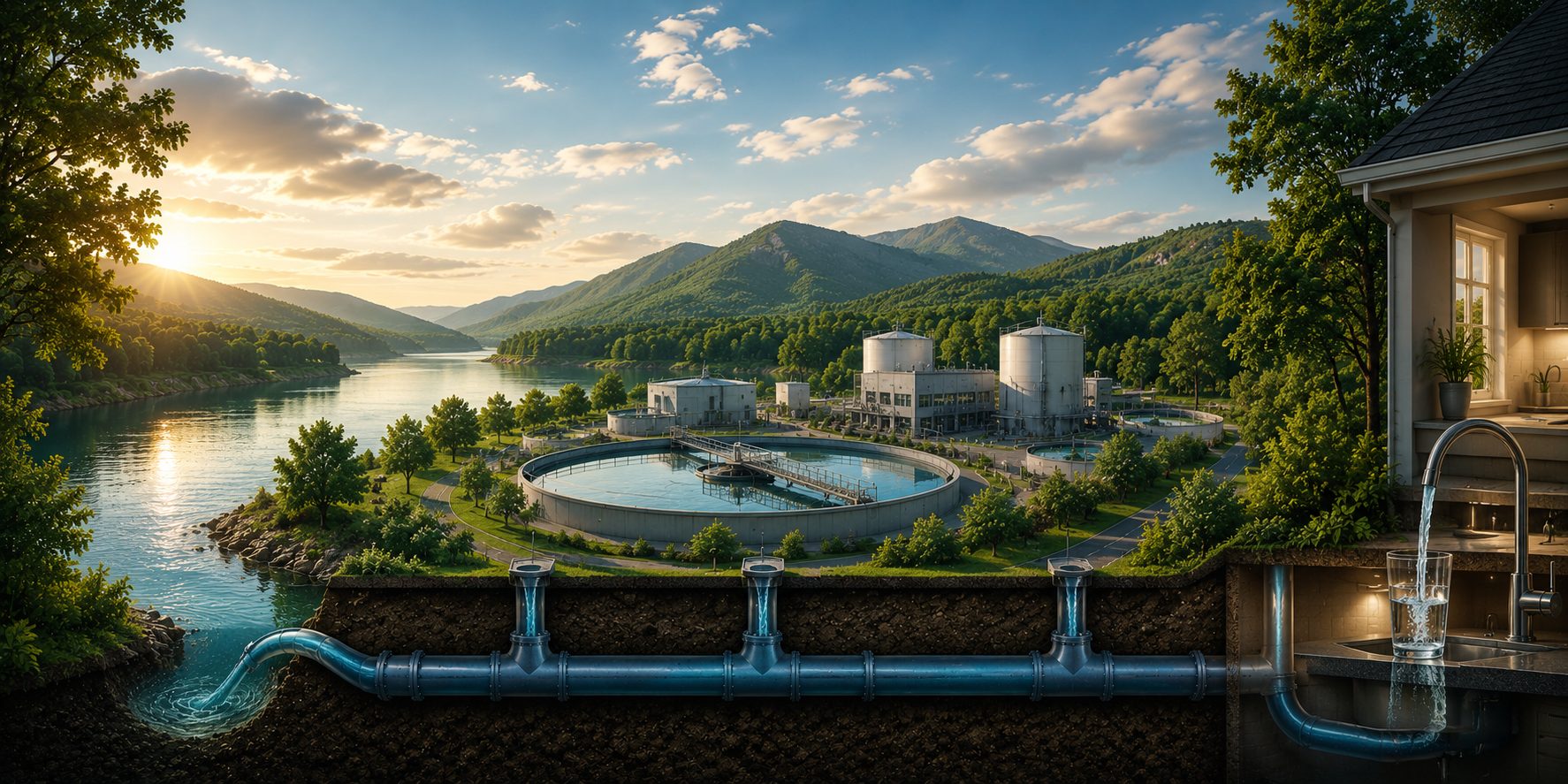
Learn how water travels from its source to your faucet, what treatment plants are designed to do, and why homeowners still have questions about what is coming out of the tap.
Where Does Your Water Come From?
Before water reaches your faucet, it has already traveled a remarkable journey. Depending on where you live, it may originate from rivers, lakes, reservoirs, groundwater wells, or a combination of these sources. From there, it passes through treatment facilities, storage tanks, miles of underground distribution mains, neighborhood service lines, and ultimately into your home's plumbing.
Every step along that journey plays a role in the quality of the water that reaches your tap. While treatment plants work diligently to meet federal and state drinking water standards, factors such as aging infrastructure, pressure fluctuations, seasonal changes, and even the plumbing leading to your home can all influence the water you use every day.
Step 1
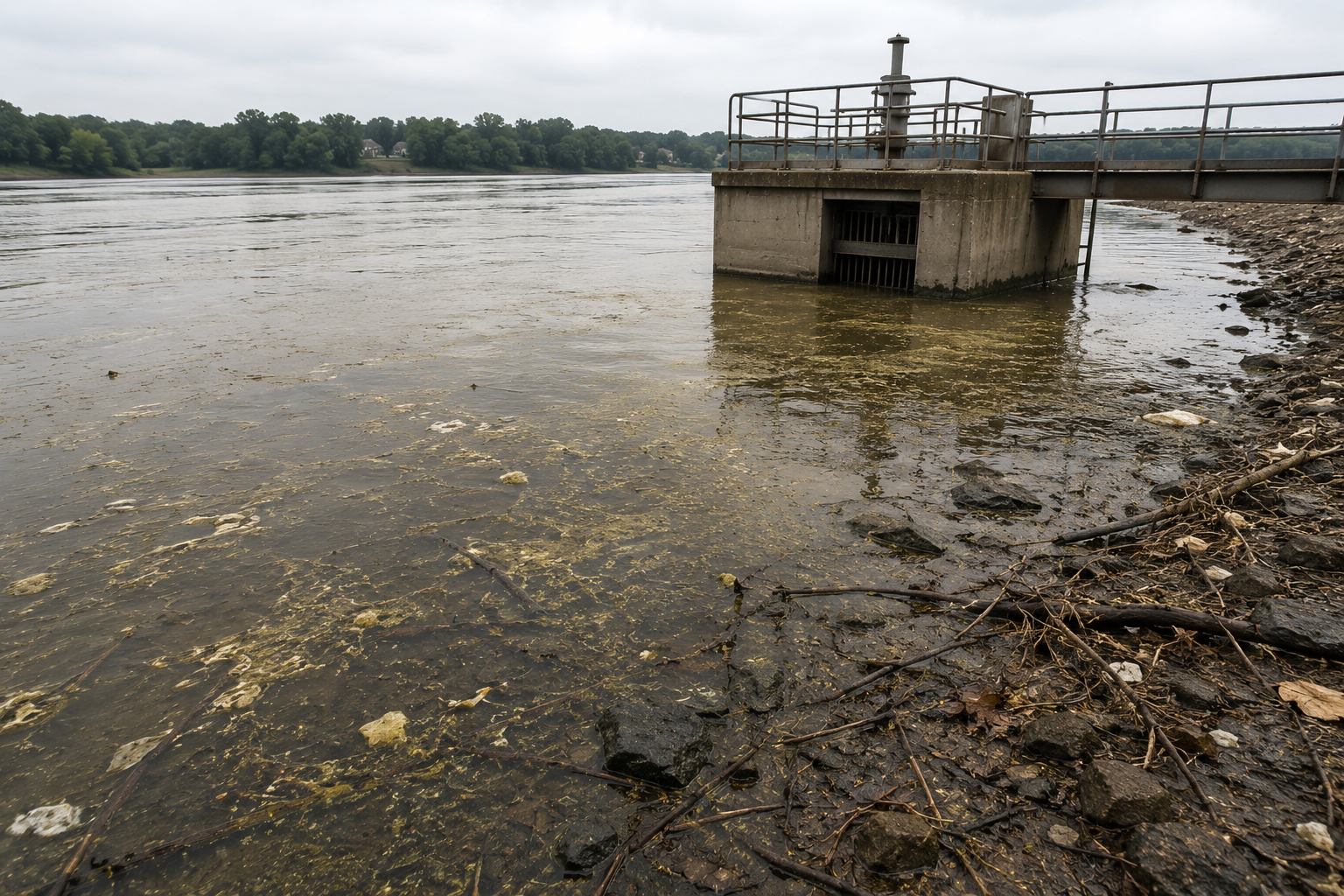
Collection
Water is drawn from rivers, lakes, reservoirs, or underground aquifers.
Step 2
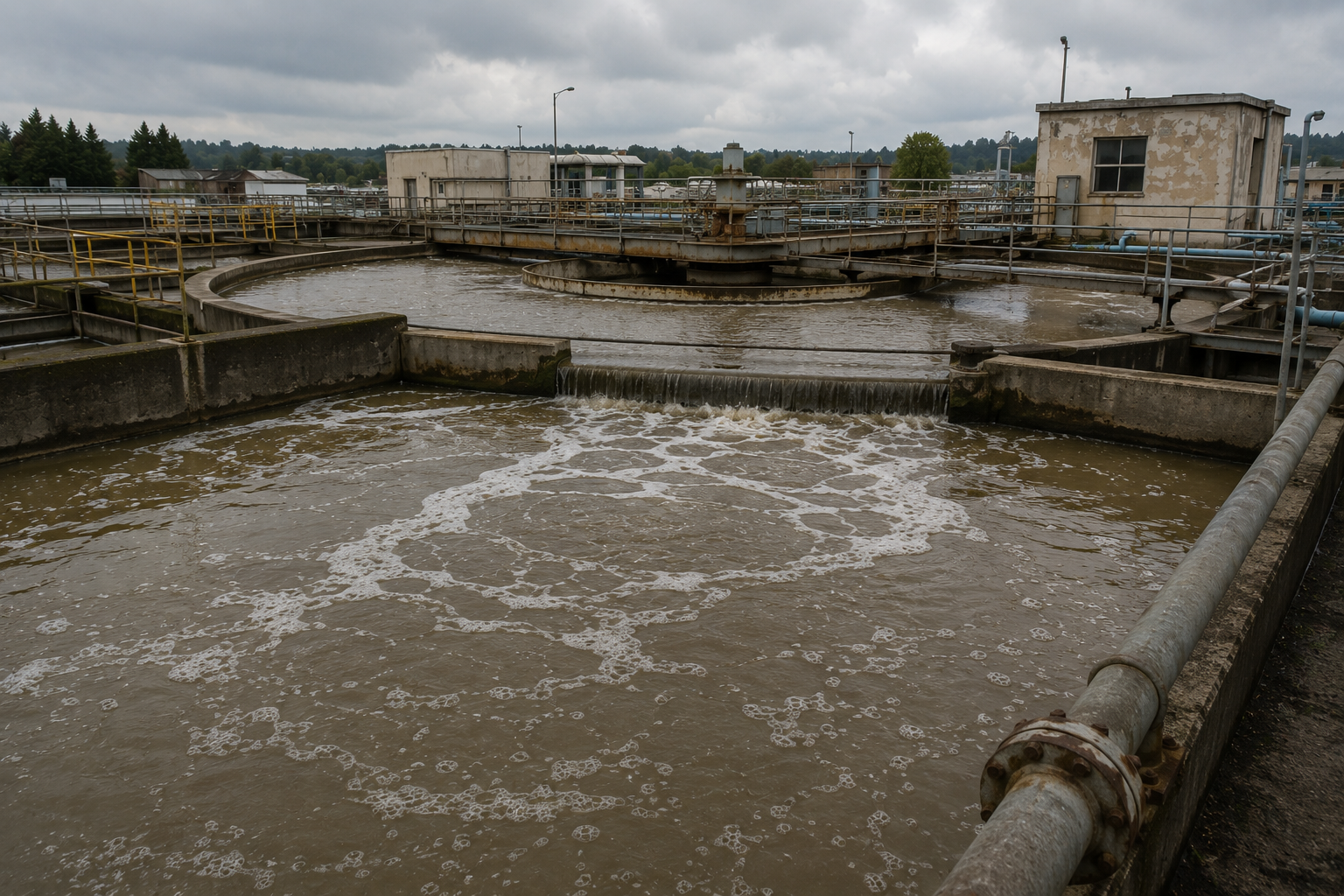
Treatment
Treatment facilities remove sediment, reduce harmful microorganisms, and monitor water quality to meet federal and state drinking water standards.
Step 3
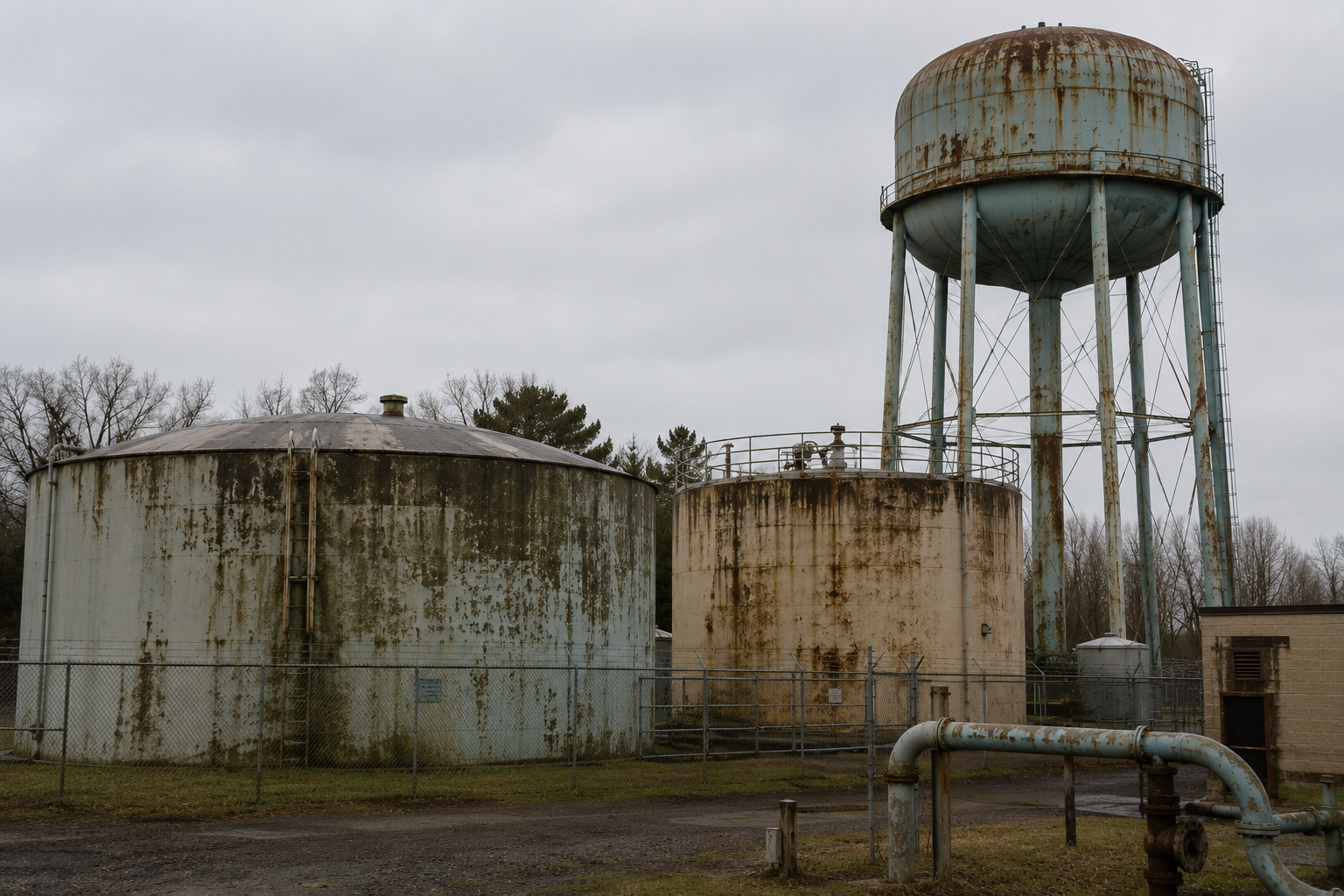
Storage
Treated water is stored in tanks and towers to maintain a reliable supply and adequate pressure.
Step 4
Distribution
Water travels through miles of aged underground pipes before reaching homes and businesses throughout the community.
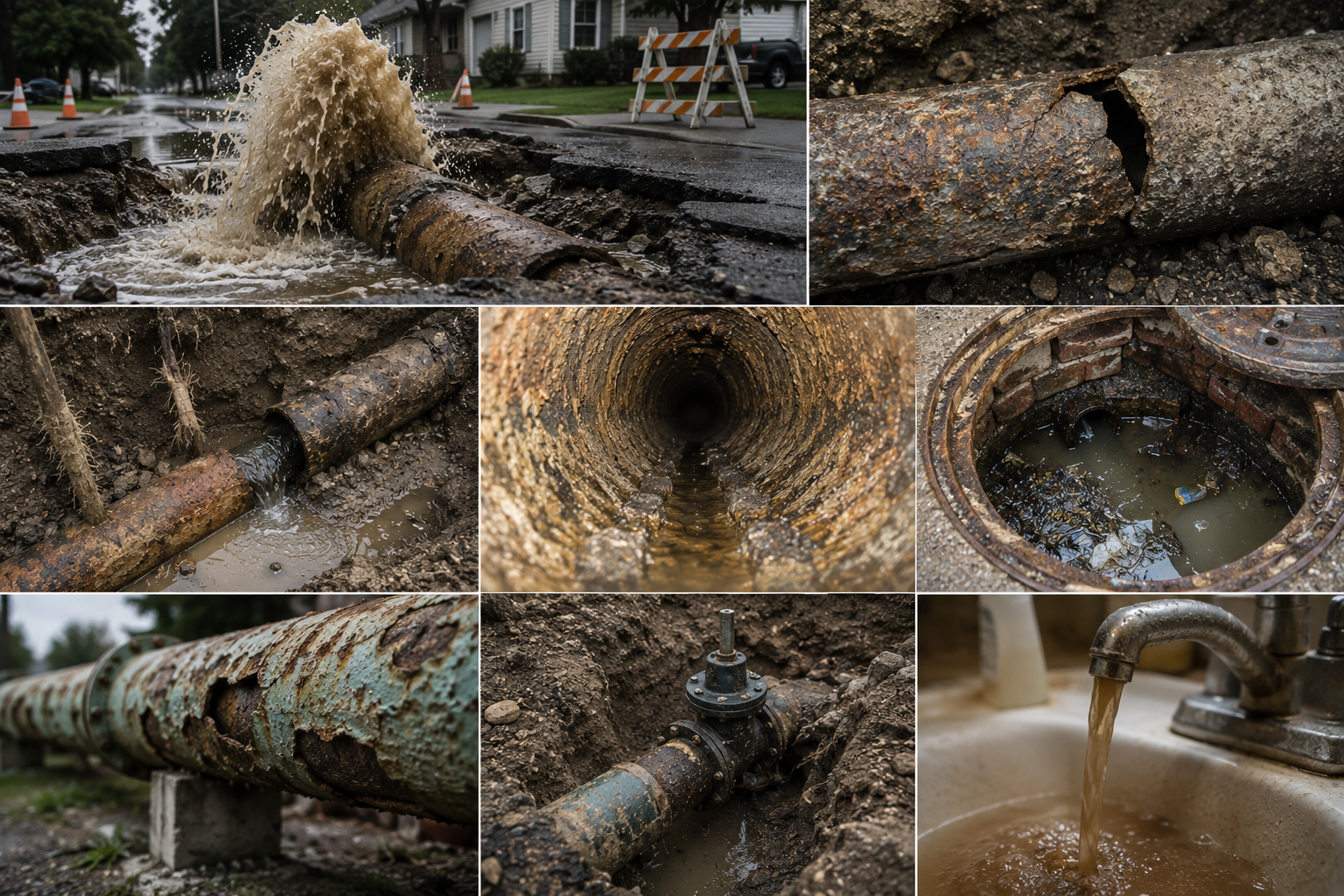
Understanding the Journey Helps You Make Better Decisions
From collection to treatment, storage, and distribution, every step influences the water that reaches your home. Knowing that journey allows you to make informed decisions about the water your family uses every day.
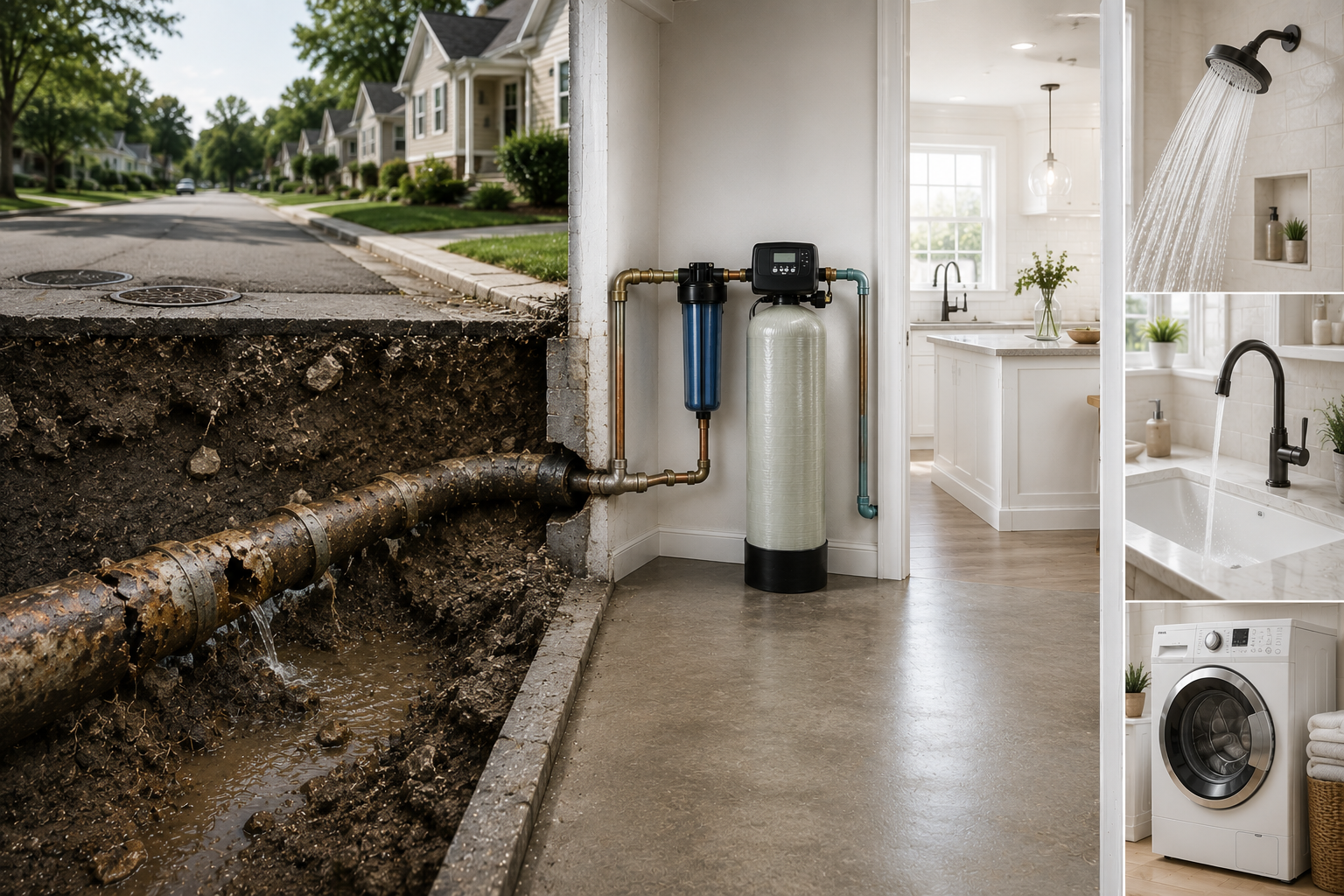
By the time water reaches your home, it has completed a journey that may span many miles and many stages. Every homeowner has the opportunity to decide whether to add an additional layer of protection before that water reaches your family.